Myanmar’s power-sector outlook for 2026 sits at the intersection of urgent reliability needs and hard constraints. Fitch Solutions expects Myanmar’s civil war to continue well into 2026, with little chance of a lasting peace deal in the near term. It also warns this bearish backdrop threatens energy security, with widespread shortages of refined fuels expected to continue in the near term. These conditions affect how projects are financed, built, and operated. In parallel, Myanmar’s economy remains in motion amid uncertainty: one 2026 outlook notes selective investment continues from regional partners while Western FDI remains limited, and it highlights that core sectors including energy continue operating.
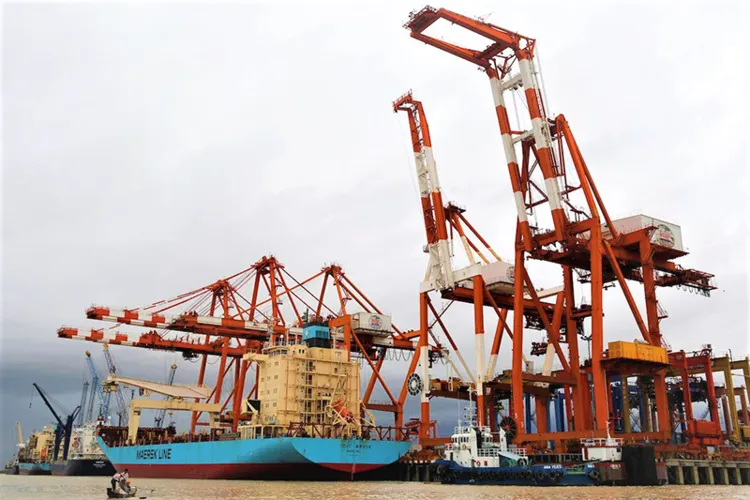
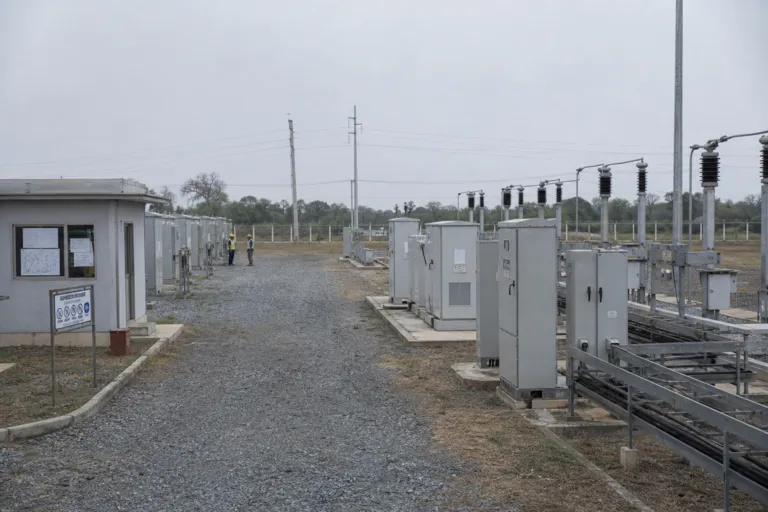
Within the market, the Myanmar power generation EPC segment provides a practical lens on “market size and outlook” because it describes what is being contracted and built. The EPC scope covers engineering, procurement, and construction of generation facilities, typically involving turbine-generator sets rated from 10 MW to over 500 MW, plus civil works and grid interconnection switchyards. The same source states hydropower dominates the installed EPC backlog due to river basin geography, while solar is gaining the fastest traction as module costs decline and irradiation data improves. Mega projects can concentrate margins due to sovereign-backed financing and extended commissioning timelines, but those same timelines can stretch further under tighter funding conditions.
What Is Driving (and Delaying) Myanmar’s 2026 Power Pipeline
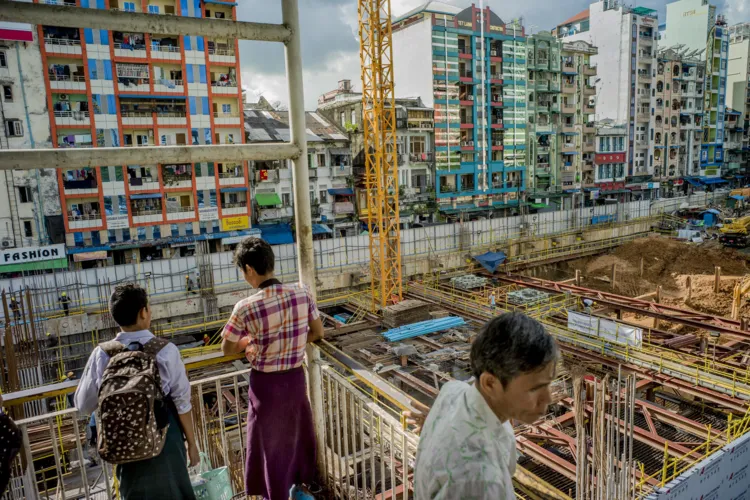
Several push-and-pull forces are shaping Myanmar’s 2026 project pipeline and the near-term market outlook for developers and contractors. On the demand side, the EPC report links growth to industrial electrification needs, describing manufacturing clusters in Yangon and Mandalay that drive demand for captive power solutions as grid reliability remains inconsistent. It notes textile and food processing facilities are commissioning gas-fired and solar hybrid systems for continuity. On the delivery side, it flags feed-in tariff recalibration and sovereign financing constraints that compress contractor margins while extending timelines, plus currency volatility for dollar-denominated equipment imports. Approval pathways also matter: Myanmar’s Ministry of Electricity and Energy and the national environmental regulator influence timelines, and hydropower contracts face intensified environmental impact assessment requirements.
Solar momentum is a central part of the 2026 outlook because it is expanding beyond utility projects into households and industry. A Myanmar solar manufacturing market insights report says the solar industry has experienced significant expansion, adding that by some estimates the off-grid solar business sector for private residences and industry has grown tenfold over a nine-month period. The same source ties this to frequent power outages and rising diesel costs. It also points to policy support, stating that exemptions reduce import costs of solar equipment and that the government provides income tax exemptions for small and medium-sized solar energy startups. For decision-makers, this is where Myanmar energy consulting becomes tactical: combining permitting, procurement strategy, and currency-risk planning with realistic expectations about where off-grid demand can scale fastest.
Looking into 2026, stakeholders are likely to focus on execution risk as much as on technical potential. The EPC outlook emphasizes compliance and standards, noting the Electric Power Generation Enterprise enforces grid code compliance that determines generator specifications and interconnection standards. It also highlights uncertainty about whether foreign contractor licensing rules tighten and how domestic content requirements evolve in future tenders. Meanwhile, the broader macro narrative still leans cautious: the 2026 GDP outlook notes high inflation inflates nominal GDP in kyat but reduces real purchasing power, and reiterates that Western FDI remains limited. In this environment, the practical “market size” story is less about a single number and more about which project types can reach commissioning under financing, regulatory, and security constraints.
What does the EPC scope include in Myanmar’s power generation market?
Which technologies are highlighted as leading Myanmar’s EPC backlog and growth?
What are the key risks to Myanmar’s energy outlook through 2026?
What evidence suggests Myanmar’s off-grid solar market is expanding quickly?
How can Myanmar energy consulting help developers navigate the 2026 outlook?