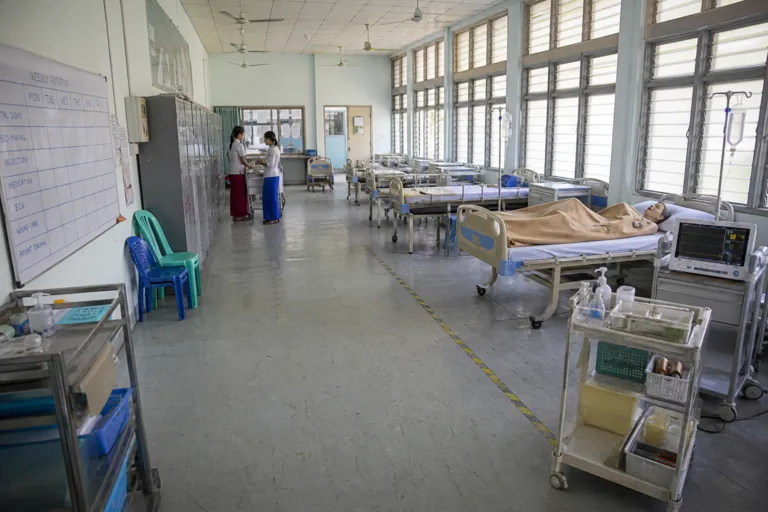
Planning the 2026 outlook for Myanmar nursing and medical training capacity starts with constraints that directly affect the workforce pipeline. Myanmar’s population is listed as 67.05 million, and the general state of healthcare is described as poor. Public and private hospitals are described as understaffed due to a national shortage of doctors and nurses, and public hospitals are noted as lacking many basic facilities and equipment. Historic context in the same source adds that the military government of 1962–2011 spent anywhere from 0.5% to 3% of GDP on healthcare, a reminder of how long-running underinvestment can shape training throughput, clinical placements, and supervision capacity.
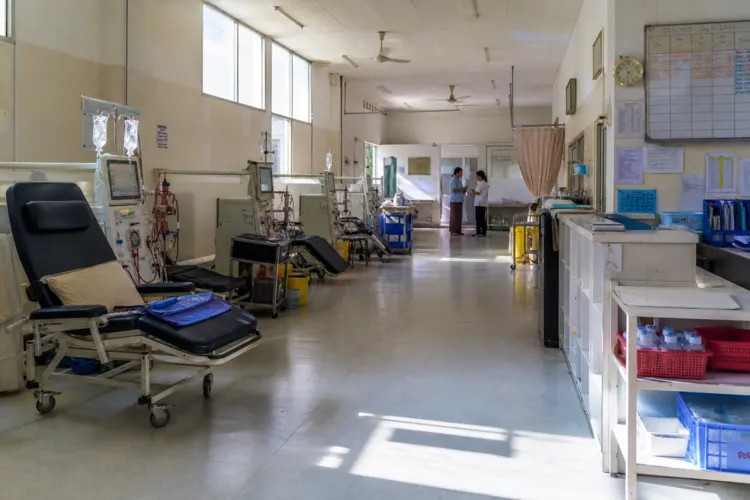
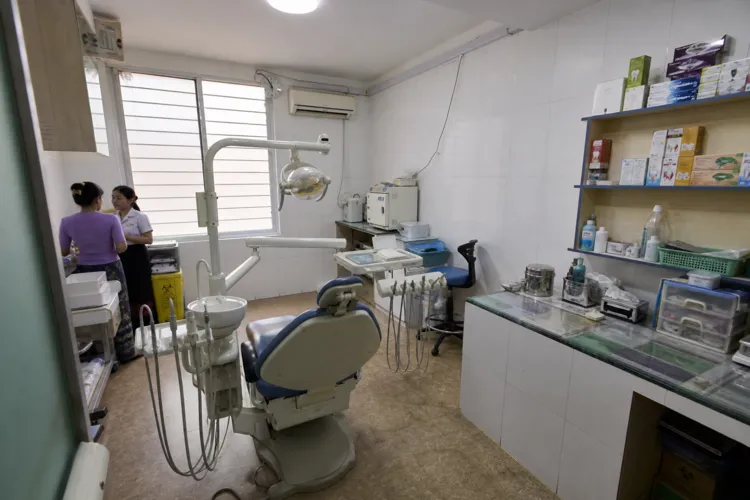
Training capacity is also influenced by the real-world clinical environment that students and early-career staff enter. Myanmar’s public healthcare infrastructure is described as severely limited, with approximately 1,000 public hospitals, many poorly equipped and understaffed, and concentrated in Yangon and Mandalay. The same source states that the private sector, centred on Yangon, provides the majority of quality healthcare for those who can afford it. This creates a practical question for 2026: where training rotations happen, who provides mentorship, and how evenly skills can be developed when service delivery and equipment availability are not distributed evenly across locations or facility types.
Training Delivery Shifts and Educator Capacity in 2026
One part of the 2026 capacity outlook is how education is delivered and supported. A market report on Myanmar Healthcare Training & Education Services Outsourcing (covering 2026–2032) frames training demand across service types such as clinical training, compliance training, skill development, and continuing education. It also highlights training modes including online modules, virtual classrooms, simulation-based training, and blended learning, and application areas that explicitly include medical education and nursing education. In parallel, a 2026 evaluation paper from the University of Public Health, Myanmar, states that faculty development in medical education has become essential for strengthening the teaching capacity of health professionals, while noting that in LMICs such as Myanmar there remain challenges in adequately preparing educators to meet modern curricular demands.
Retention pressures matter as much as intake when judging workforce capacity. Global context can clarify why. WHO estimates there were 29.8 million nurses worldwide in 2023, up from 27.9 million in 2018, and reports that the global nursing shortage fell from 6.2 million in 2020 to 5.8 million in 2023, with a projection to 4.1 million by 2030 if trends continue. Another global statistics compilation reports that nursing dropout rates in low-income countries are 30% compared with 8% in high-income countries, and that global enrollment in nursing programs in low-income countries increased by 50% between 2015 and 2023 to 4.5 million students. For the Myanmar healthcare workforce market, these global patterns underline why keeping students in programs and supporting early-career staff can be as critical as expanding seats.
Capacity outlook for 2026 also depends on how Myanmar organizes its medical education base and the systems around it. Myanmar is stated to have 6 medical universities: 5 civilian and one military, all operated by the government and recognised by the Myanmar Medical Council. At the same time, WHO highlights uneven distribution globally, noting that around 78% of the world’s nurses work in countries accounting for only 49% of the world’s population, and that high-income countries have 17% of the world’s population but 46% of its nurses. Myanmar’s training and workforce planning in 2026 therefore sits at the intersection of domestic institutional capacity, educator readiness, and a broader global environment where nursing supply and migration pressures remain structural features.
How many medical universities are listed for Myanmar, and why does that matter for 2026 capacity?
What does Myanmar’s hospital footprint imply for clinical training opportunities?
What training modes are highlighted in Myanmar’s training services outsourcing outlook?
What global nursing figures provide context for Myanmar’s workforce planning?
What is the 2026 outlook for the Myanmar healthcare workforce market tied to training capacity?