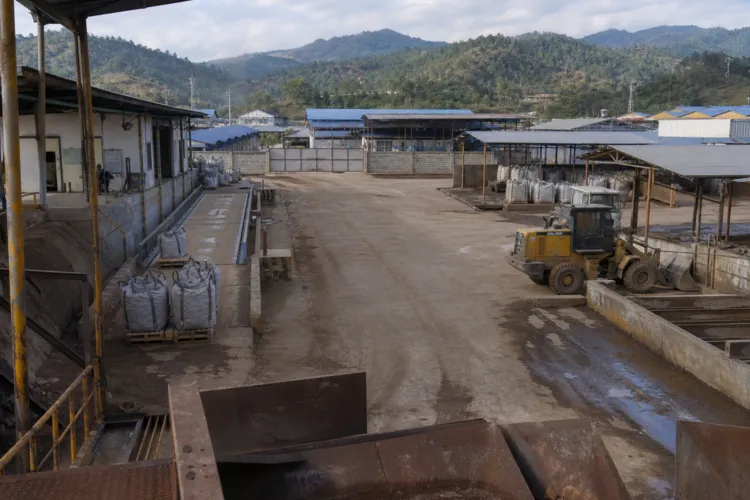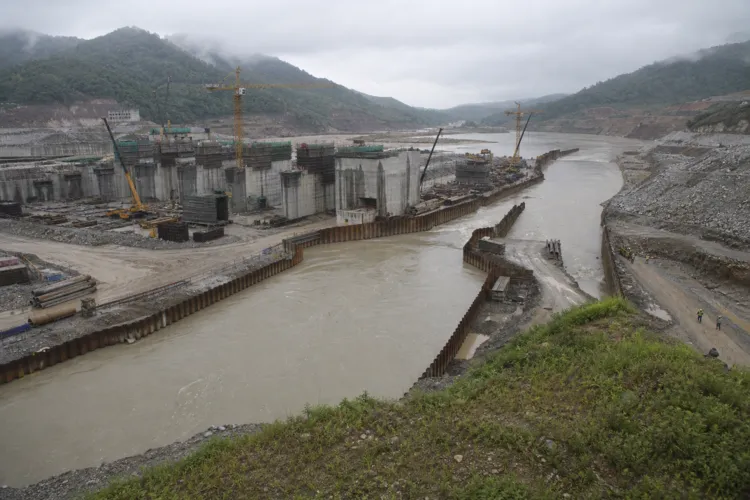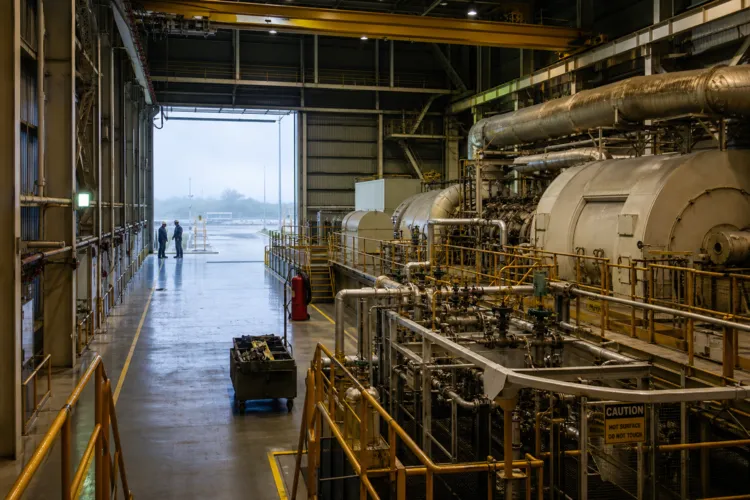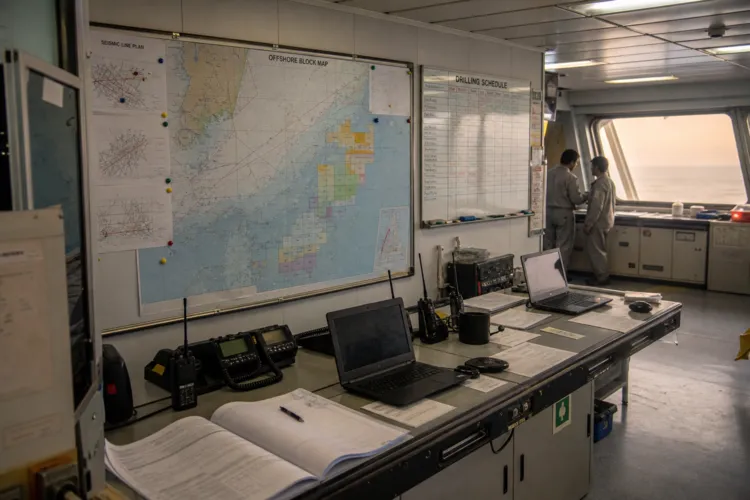
Foreign investment has shaped Myanmar’s modern economy since the reform era that began in 2011. The foreign investment environment in 2026 is described as selective, with state-to-state partnerships, heightened sanctions compliance, infrastructure bottlenecks, ASEAN regional integration, and energy security concerns all influencing deal flow. Myanmar remains open to foreign investment under the Myanmar Investment Law, even as investor confidence varies by sector. Mining is repeatedly listed among the backbone activities of the economy in 2026 alongside agriculture, natural gas exports, manufacturing, and cross-border trade. This combination creates a liberalization story that is less about a single legal switch and more about how investors navigate risk, partners, and project execution.
Macro conditions set the context for mining investment decisions. Estimated nominal GDP in 2026 is presented in the range of about USD 65–75 billion, while GDP per capita is shown around USD 1,200–1,400 in one overview and USD 1,100–1,300 in another estimate. Growth is described as low single-digit recovery, with a separate projection range of 2%–4%. Inflation is described as elevated, with one estimate placing it at 20%–30% and noting volatility. The Myanmar kyat is also described as volatile, with an estimated informal market range of about 1 USD ≈ 3,500–4,500 MMK. For mining investors, these figures matter because exchange-rate moves can distort USD-denominated project budgets, while inflation and import costs can complicate procurement and contractor pricing.
What “Liberalization” Looks Like for Foreign Mining Capital in 2026
In 2026, the foreign investment guide highlights a shift after post-2021 political instability: reduced Western investment, increased regional partnerships, and greater reliance on ASEAN and Asian investors. China is described as Myanmar’s largest trading partner and a major infrastructure investor, with stated focus areas that include mining. Singapore is described as a financial gateway for investments structured into Myanmar, while Thailand is active in energy imports and border trade. Japan is positioned as a structured long-term partner focused on infrastructure and SEZ development, with Thilawa Special Economic Zone cited as a flagship project involving Japanese corporate participation and support from the Japan International Cooperation Agency. These patterns affect mining liberalization in practice: who funds projects, how capital is routed, and what governance and documentation investors prioritize.
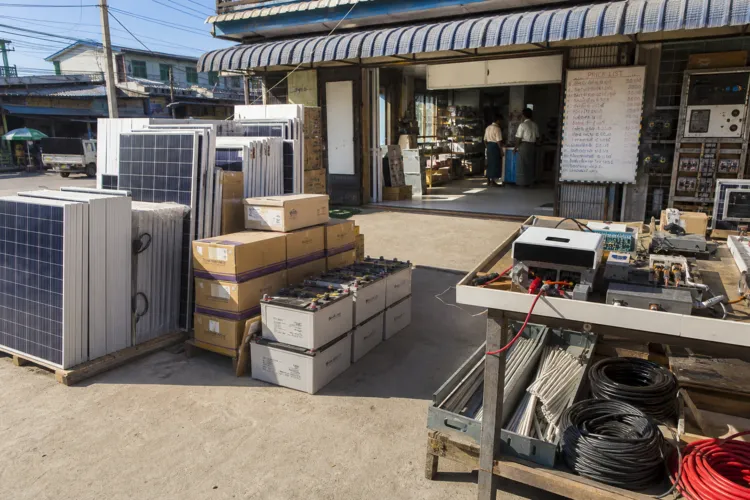
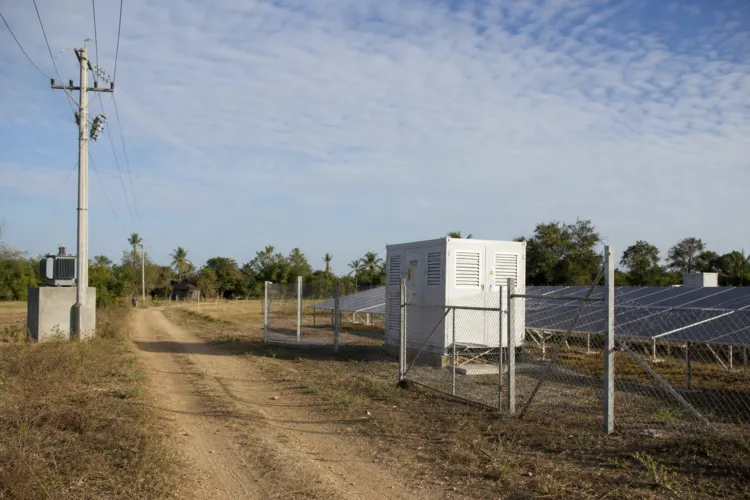
Operational realities still shape whether liberalization translates into bankable projects. Infrastructure bottlenecks are explicitly listed as part of the 2026 investment climate, and political uncertainty is noted as a factor that can discourage foreign investment and disrupt economic activity. Fitch Solutions expects Myanmar’s civil war to continue well into 2026, with little chance of a lasting peace deal in the near term, adding security and continuity risk that investors must price into timelines. Energy security concerns are also foregrounded, with widespread refined fuel shortages expected to continue in the near term. For mining, these conditions influence logistics, site access, fuel availability, and the ability to maintain predictable production schedules, even when the investment framework permits entry.
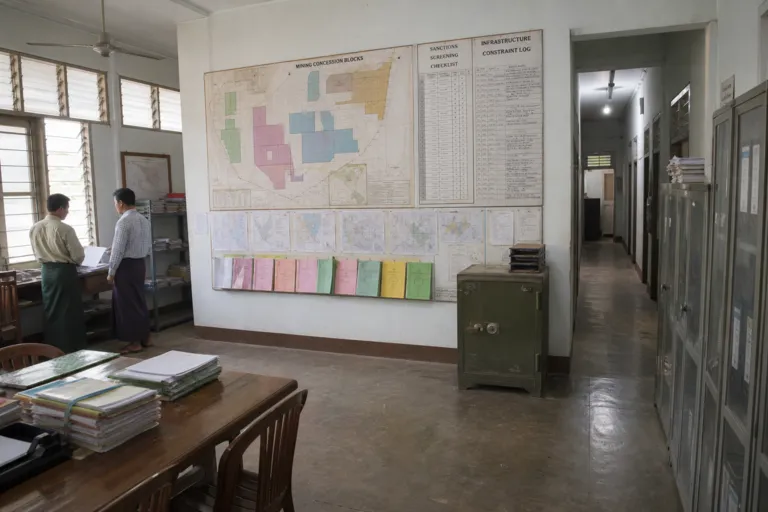
For investors seeking Myanmar mining consulting support in 2026, readiness should start with sector positioning and compliance design. The foreign investment guide stresses heightened sanctions compliance and targeted sanctions on military-linked entities in the European Union context, while also noting that European private investment has declined even as trade in garments continues. This makes counterparty checks, ownership mapping, and transaction structuring central to foreign participation in sensitive sectors. At the same time, Myanmar’s economy overview lists abundant natural resources including jade and describes mining as part of the economic backbone, suggesting continued activity even amid uncertainty. Practical liberalization therefore means building projects that can operate within sanctions-aware governance, while aligning partners, routes, and financing structures to the investor’s risk tolerance.
Is Myanmar still open to foreign investment in 2026?
Which countries are positioned as key foreign partners relevant to mining investment?
What macroeconomic figures matter most for mining project planning in 2026?
How does the security situation affect foreign mining investment in 2026?
What should a Myanmar mining consulting engagement prioritize for foreign investors in 2026?