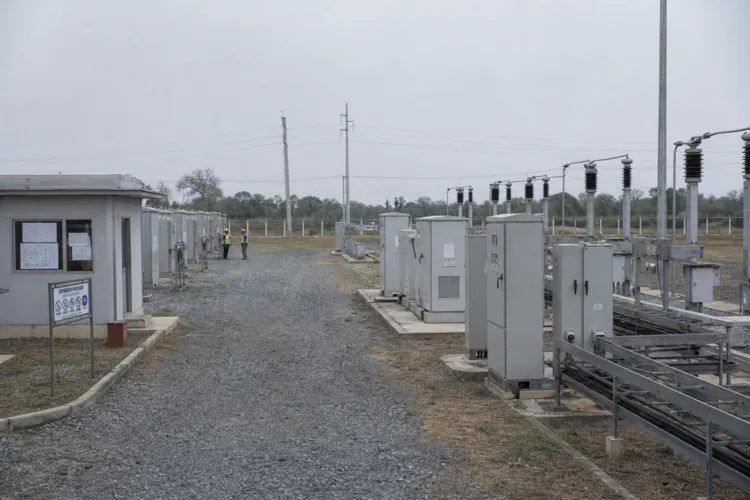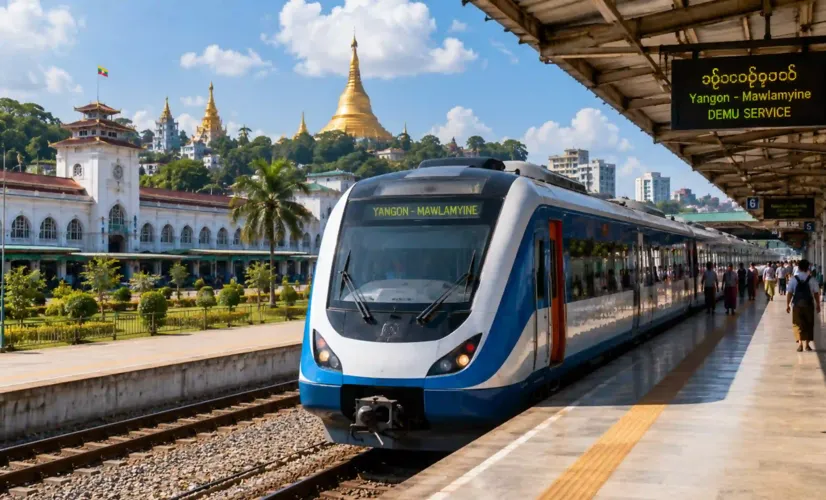
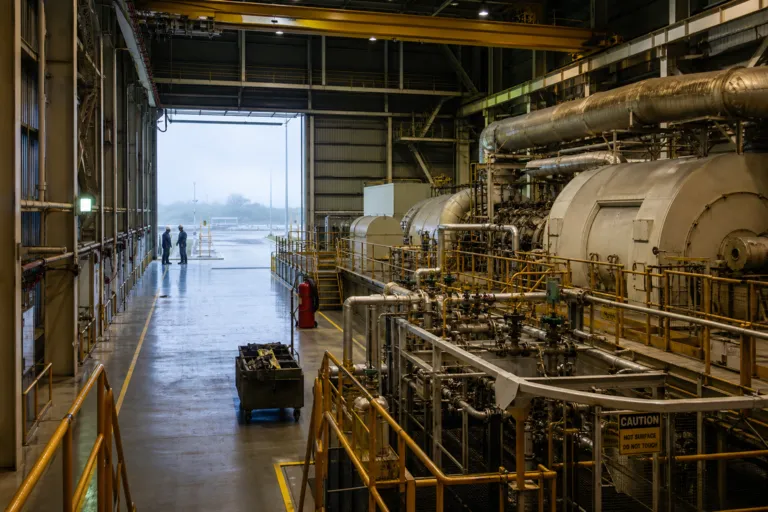
Gas-to-power demand is the clearest signal shaping Myanmar’s forward energy story into 2026. In fiscal year 2021-2022, Myanmar’s gas consumption was 135,807.34 million cubic feet (3.84 bcm), and over 92% of that total was consumed by the power sector, with the remainder used in transport, fertilizer, industry, LPG, and refinery sectors. Electricity generation data underlines why gas remains pivotal: total generation was 19.99 TWh in 2020, led by hydropower at 53% and gas at 35%. Global Energy Monitor also notes significant power shortages tied to rapid growth in electricity demand and variability in hydro output, which keeps gas-to-power demand a central planning variable for 2026.
Electrification levels and targets add another layer to how investors may read Myanmar’s demand outlook. Myanmar had a population of 54.6 million as of 2023, and it has one of the lowest electrification rates in Southeast Asia, with only 50% of the population having access to the grid. Under the National Electrification Programme 2015, the government aims to enhance electrification to 100 percent by 2030. In this context, the Myanmar LNG market discussion often centers on whether incremental gas supply can support incremental grid access and generation needs, especially when hydropower output is variable. However, the provided sources do not quantify Myanmar LNG import volumes or LNG terminal capacities.
Global LNG in 2026 and Why It Still Matters for Myanmar
Even without Myanmar-specific LNG import statistics in the sources, global LNG conditions in 2026 still matter as context for pricing and availability. The IEA states that global LNG supply growth is set to accelerate further in 2026 to its fastest pace since 2019. In parallel, the GECF reports that global LNG trade rose by 6.5% (27 Mt) to a record 437 Mt in 2025. The same GECF excerpt also notes Asia accounted for 63% of global LNG imports, with Europe representing 30%. This broader backdrop is relevant for emerging Asian markets as the IEA expects easing supply fundamentals to foster stronger global gas demand growth driven primarily by China and emerging Asian markets.
Myanmar’s domestic gas balance includes substantial production and pipeline export dynamics, which can influence how any LNG imports would be positioned operationally. Total gas production in 2021 was 16.9 bcm, while pipeline exports totalled 10.6 bcm, including 3.9 bcm to China and 6.7 bcm to Thailand. Global Energy Monitor links these exports to long-term contracts entered into in the 1990s, when offshore production exceeded domestic demand. The same source states that at the end of 2020 Myanmar had 15.3 trillion cubic feet of gas reserves, and at the current production rate those reserves are expected to last approximately 24.4 years. These figures frame the role of imports as a question of logistics and allocation, not simply resource presence.
Forward demand planning for gas also appears in Myanmar’s own scenario work and regional infrastructure assumptions. According to Myanmar’s 2017 Natural Gas Master Plan cited by Global Energy Monitor, gas demand will reach 1,142 mmcfd, or 11.8 bcm, in 2040, with power demand projected to dominate growth while industrial and residential sectors also expand. The plan highlights geographic concentration, with industrial demand focused in Yangon and Mandalay. It estimates an additional investment of $3.5 million to meet added industrial demand in Yangon due to existing infrastructure, while Mandalay would require a pipeline network of more than 40 km and total investment estimated at $24.5 million. These onshore needs help explain why power-sector gas remains the anchor point in 2026 discussions.
What is driving Myanmar’s gas-to-power demand heading into 2026?
How large was Myanmar’s gas consumption in the most recent cited year?
What do the sources say about the Myanmar LNG market and imports in 2026?
How much gas did Myanmar export by pipeline in 2021, and to where?
What global LNG trend is expected in 2026 that could influence market context?