Myanmar’s 2026 investment climate sits between long-term potential and near-term constraints. A guide for foreign investors needs to start with the realities described for 2026: selective state-to-state partnerships, heightened sanctions compliance, infrastructure bottlenecks, ASEAN integration links, and energy security concerns. The reform era beginning in 2011 helped attract significant foreign capital, with acceleration between 2014 and 2019 in energy, telecommunications, garments and manufacturing, real estate, and banking. After post-2021 instability, Western investment reduced while regional partnerships grew, and investor confidence now varies sharply by sector and by counterparties.
FDI flows show how sharply the environment changed. FocusEconomics reports foreign direct investment in Myanmar averaged USD 2.2 billion in the decade to 2024, and was USD 1.1 billion in 2024. ISP-Myanmar adds longer-run context: over the past decade Myanmar received more than USD 36 billion in FDI, with over USD 28.7 billion entering in 2016–2020 versus only over USD 7.4 billion in 2021–2025, described as a collapse by nearly three-quarters. The same tracker notes that between 2021 and 2025, Chinese investors accounted for 47% of total foreign investment inflows, underscoring a shift toward regional capital and state-aligned project structures.
Key Risks to Price Into Deals in 2026
Risk planning in 2026 has to be grounded in politics, conflict, and compliance. Fitch Solutions expects Myanmar’s civil war to continue well into 2026 and sees little chance of a lasting peace deal in the near term. That raises operational continuity risks, staff safety issues, and logistics uncertainty, especially outside stable industrial pockets. Sanctions and “targeted sanctions on military-linked entities” are also central, and the foreign investment guide highlights heightened sanctions compliance as a defining feature of the climate. Investors should treat counterparty screening, beneficial ownership checks, and payment-route controls as core deal prerequisites, not add-ons.
Macro conditions also shape entry feasibility and pricing. Myanmar’s estimated nominal GDP in 2026 is presented as approximately USD 65–75 billion, with projected growth of 2%–4% and inflation described as volatile at 20%–30%. Currency volatility is a recurring theme: an estimated 2026 informal market exchange rate is cited as 1 USD ≈ 3,500–4,500 MMK, and depreciation is linked to higher import costs and inflation. These figures matter for any Myanmar market entry strategy because they affect USD-reported returns, the cost of imported inputs, and the stability of consumer demand. Conservative stress testing and local-currency scenario planning are practical necessities.
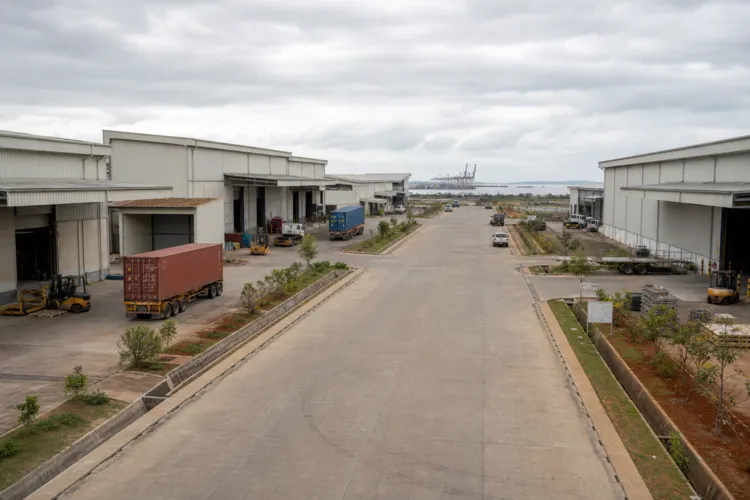
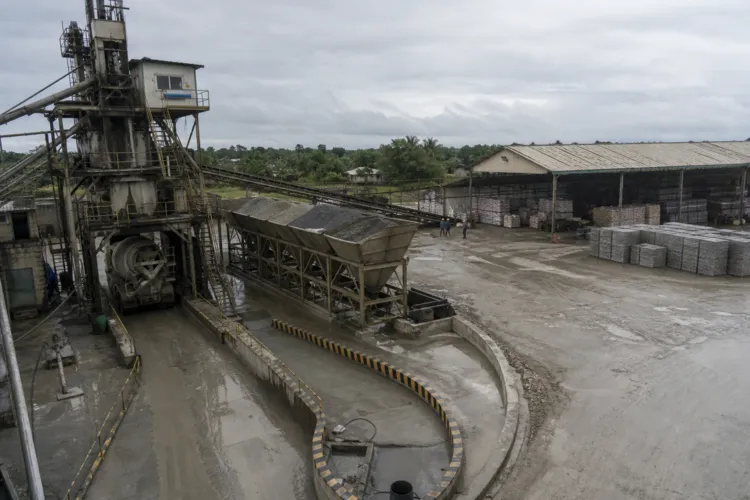
Sector and partner selection in 2026 is increasingly specific. Energy and natural gas exports remain a major source of foreign currency, with Thailand and China named as primary buyers, while the guide notes energy security concerns and that new large-scale energy investment remains limited due to sanctions and geopolitical risk. Manufacturing still includes garment exports, but Western brands reduced exposure and factories operate at reduced margins; Thilawa Special Economic Zone is repeatedly noted as a key industrial hub and one of the more stable industrial areas due to infrastructure and Japanese-linked development structures. On partners, Japan’s structured involvement centers on infrastructure and SEZ development, China is described as Myanmar’s largest trading partner and a major infrastructure investor, and Singapore is frequently used as a financial gateway for investments structured into Myanmar.
What does the recent FDI trend say about Myanmar’s investment climate?
Which countries are most prominent for investment linkages in 2026?
How should companies shape a Myanmar market entry strategy for 2026 conditions?
What are the biggest non-financial risks investors must consider in 2026?