Myanmar’s 3PL and contract logistics outsourcing decisions in 2026 are happening in a market where cross-border movement, port-linked warehousing, and e-commerce fulfillment needs are rising in priority. Mordor Intelligence values the Myanmar freight and logistics market at USD 6.35 billion in 2026 and projects it will reach USD 7.43 billion by 2031, at a CAGR of 3.21%. In that same view of the market, major companies include A.P. Moller – Maersk (including Damco), DHL Group, NYK Line / Yusen Logistics, Kerry Logistics Network Group, and CJ Logistics. MarkWide Research adds that demand tied to e-commerce fulfillment from garment exporters and agricultural traders is hardening into a dominant revenue stream, which helps explain why shippers increasingly consider outsourced warehousing and distribution rather than building fixed, single-client networks.
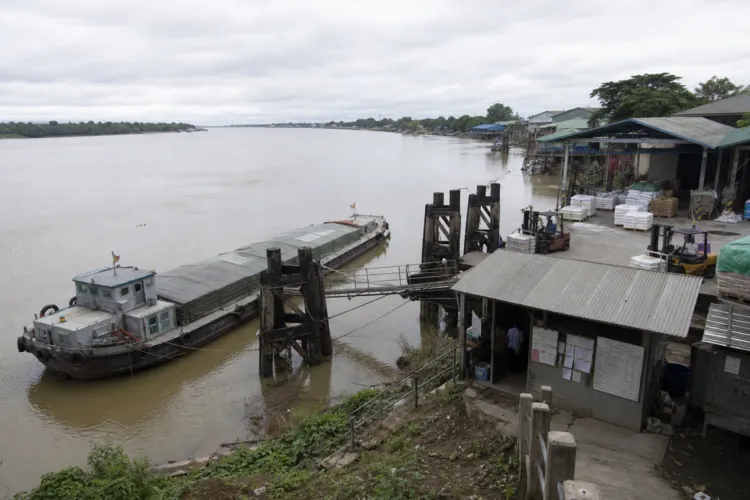
Contract logistics in Myanmar also reflects the country’s modal realities. MarkWide Research notes that road freight dominates domestic tonnage moved, pointing to limited rail gauge compatibility and underdeveloped inland waterway integration. That puts pressure on outsourced transport and fleet planning, especially when fuel costs swing. MarkWide Research flags diesel price volatility as a restraint that compresses margins for road freight operators. It also highlights a clear investment priority: Track & Trace technology, driven by shipper demand for real-time visibility across the Thailand–Myanmar border. For buyers of 3PL services, this makes service-level agreements around shipment visibility, exception management, and cross-border handoffs a practical way to reduce execution risk without adding owned assets.
What Outsourcing Looks Like in Warehousing, Cold Chain, and SEZ Clusters
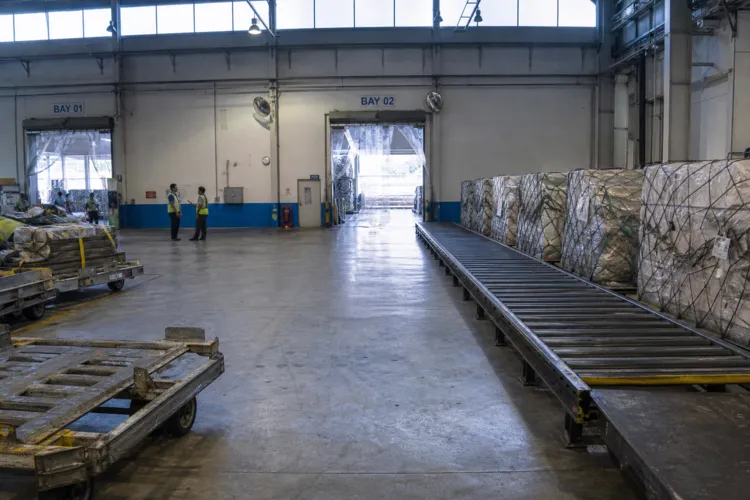
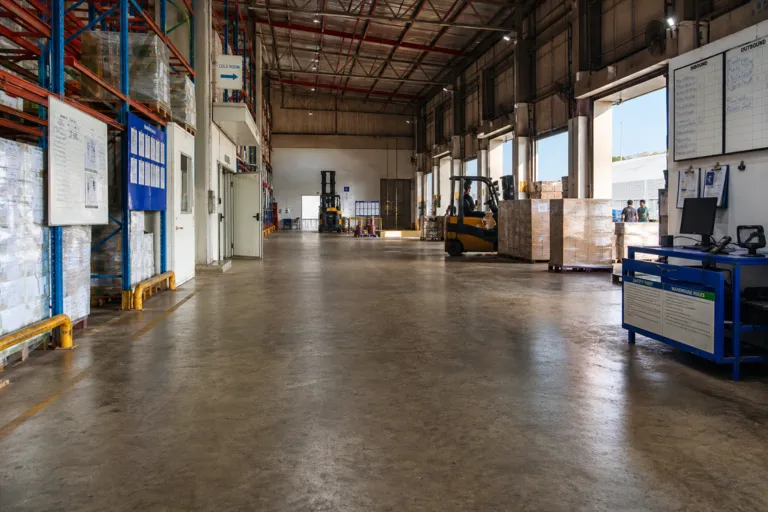
Warehousing strategy is where outsourcing can shift from tactical to structural. Mordor Intelligence reports that non-temperature facilities occupy 91.28% of warehouse floor space, while cold-chain square footage is expected to climb at a 3.07% CAGR from 2026 to 2031. MarkWide Research similarly points to cold-chain infrastructure as a growth catalyst, stating that agri-commodity exporters are contracting temperature-controlled storage capacity to meet quality requirements for perishable shipments into China and Thailand. SEZ-linked clustering is another outsourcing driver. MarkWide Research describes bonded warehousing investment into Thilawa Special Economic Zone, while Mordor Intelligence notes SEZ warehouse parks in Thilawa and Kyaukphyu offering base-load tenancy for 3PL providers, and that Dawei’s design documents allocate a 2,000-ha logistics estate adjacent to the deep-sea terminal.
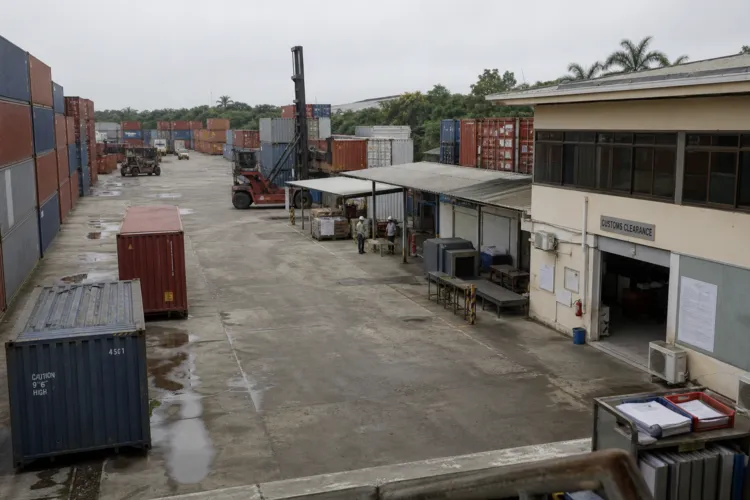
Customs and compliance capability is also becoming a differentiator in the Myanmar third-party logistics market. MarkWide Research ties restructuring to customs modernization, noting that the Directorate of Trade’s digitization protocols are compressing port clearance timelines and helping attract bonded warehouse investment into Thilawa. It also highlights the ASEAN Single Window initiative as a framework that standardizes cross-border documentation between Myanmar, Thailand, and Vietnam, reducing transit delays on road freight corridors. Operationally, MarkWide Research adds that the national transport regulator enforces axle-load limits and commercial vehicle safety inspections on highway corridors. In practice, this environment supports outsourcing models where a 3PL manages documentation, brokerage, and last-mile density, as MarkWide Research notes DHL’s competition focus on customs brokerage and last-mile density in Mandalay and Yangon.
Myanmar’s outsourcing choices in 2026 also sit within a larger global 3PL cycle, but global figures should be treated as context rather than local evidence. The Business Research Company reports the global 3PL market at $1321.68 billion in 2025 and $1461.13 billion in 2026, with growth to $2141.68 billion by 2030 (10.0% CAGR over 2026–2030). Grand View Research estimates the global third-party logistics market at USD 1,261.0 billion in 2025 and USD 1,356.7 billion in 2026, and says Asia Pacific dominated with a 43.7% revenue share in 2025. Inside Myanmar, Mordor Intelligence shows freight transport held 60.15% share of the country’s freight and logistics market in 2025, while courier, express, and parcel services are projected to expand at a 4.69% CAGR from 2026 to 2031. Together, these signals reinforce why Myanmar shippers prioritize scalable outsourcing in transport, CEP, and tech-enabled visibility—while also accounting for local constraints such as electricity reliability gaps that MarkWide Research says can stall automated warehousing outside Yangon and Mandalay.
What is the Myanmar freight and logistics market worth in 2026?
How is warehouse capacity split between ambient and cold-chain space in Myanmar?
What roles do SEZs play in contract logistics outsourcing in Myanmar?
What is shaping cross-border logistics performance for Myanmar shippers?
What is the freight transport share within Myanmar’s third-party logistics market context?