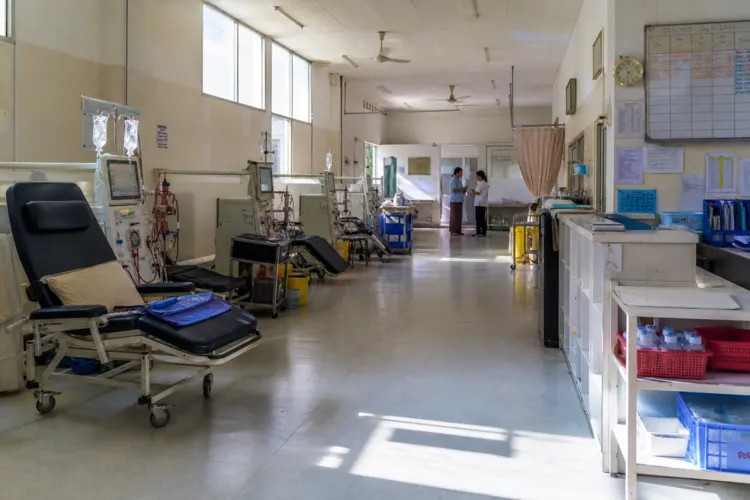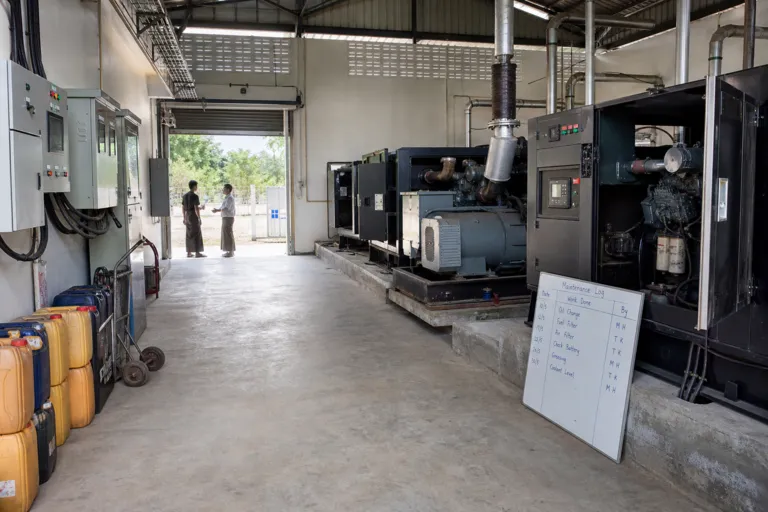
In 2026, Myanmar’s backup power demand is being shaped by a simple reality: large parts of the country still experience daily power outages linked to fuel shortages, damaged infrastructure, and conflict-related disruption, according to reporting cited in a Myanmar electricity market analysis. Energy security and electricity supply are now framed as central to economic strategy, but households and businesses remain dependent on ad hoc solutions rather than stable nationwide service. The result is an alternative energy ecosystem where gensets, batteries, inverters, and rooftop solar fill the gap created by rationing and unpredictable cuts, even during scheduled “online” periods in Yangon.
The reliability challenge is layered on older access constraints. A referenced overview reports electrification at 50% in 2019, while also estimating that 65% of the population lacked access to the national grid as of 2019. As of 2023, only 73.7% of the population had access to at least 4 hours of electricity per day. Rural energy use patterns reinforce the sensitivity to outages: 65% of total primary energy supply is described as biomass energy, used almost exclusively in the residential sector (97%). These conditions help explain why even short or rotating interruptions can quickly disrupt households, commerce, and basic services.
Why Gensets Compete With Solar, Batteries, and Captive Power
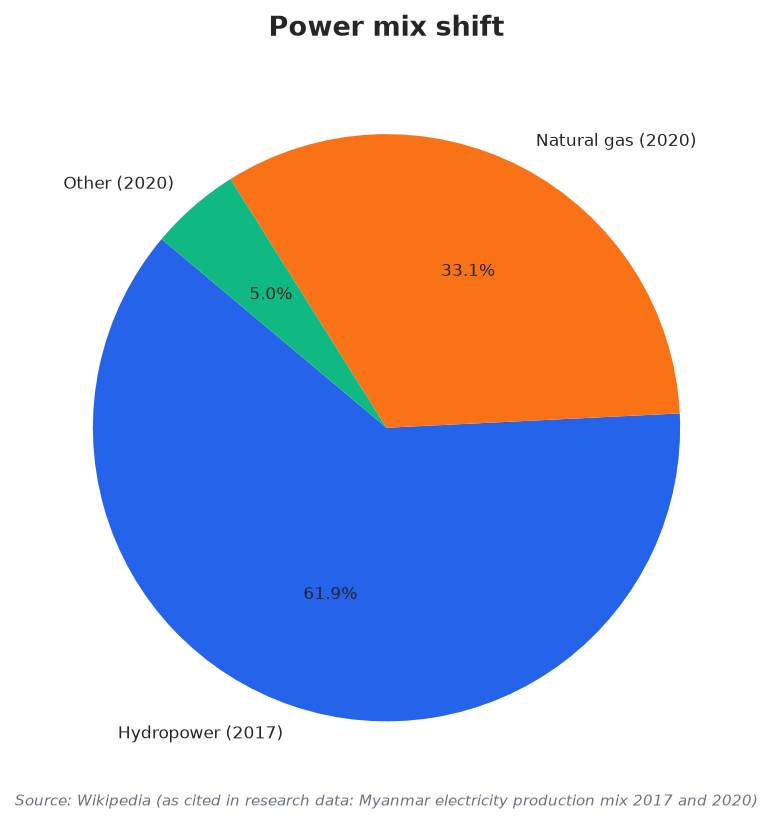
Myanmar’s generation mix and fuel constraints also matter for backup choices. Electricity production was reported as hydropower-dominated at 74.7% in 2017, but by 2020 hydropower’s share had fallen to 54% as natural gas rose to 40%. In May 2020, total installed capacity was stated as 6,034 MW, including 3,262 MW of hydropower (54%) and 2,496 MW of natural gas (41%). A Reuters-cited World Bank report (June 2024) links a drop in available power to a shortage of natural gas, with domestic production declining and LNG imports halted due to a foreign exchange shortage. When primary supply tightens, end users often hedge with onsite systems and backup generation.
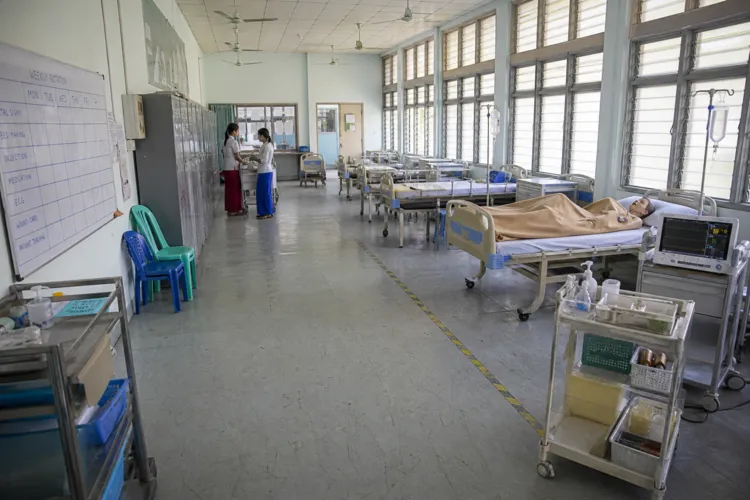
Against that backdrop, the Myanmar diesel generator market remains part of a broader “keep-the-lights-on” spend, but it is increasingly contested by solar-plus-storage and inverter-battery setups. Reuters reports household solar installations surged from a few hundred in 2019 to roughly 300,000 in 2025, as users switched from diesel generators to solar panels with storage. The same reporting notes that shops, restaurants, and workshops are using small solar systems to keep lighting, refrigeration, and electronic payments running, and that clinics, schools, and water kiosks are also adopting them. In urban areas, an inverter market report cites typical inverter-only pricing of $200 to $600 for residential hybrid inverters in the 3 kW–6 kW range, reflecting a pragmatic response to instability and bill pressure.
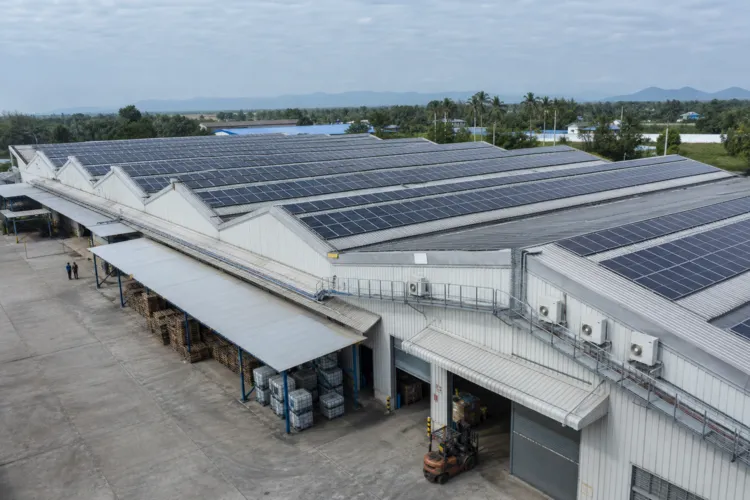
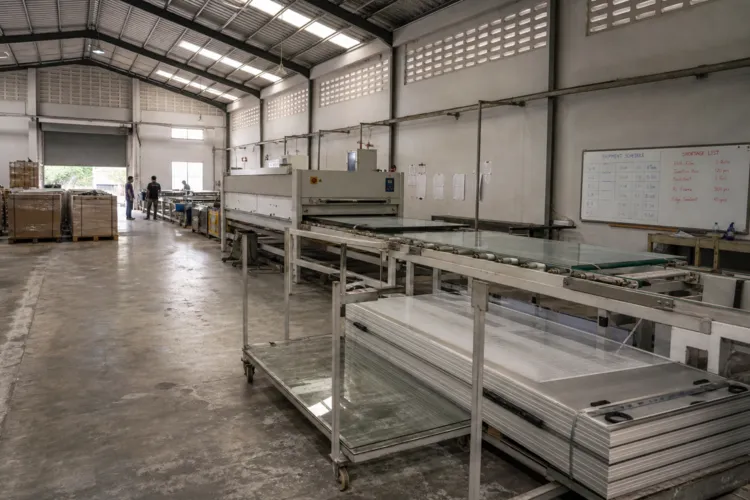
For industry, continuity is also shaping procurement. A 2026 power outlook links demand to industrial electrification needs, pointing to manufacturing clusters in Yangon and Mandalay that drive captive power solutions as grid reliability remains inconsistent. It notes textile and food processing facilities commissioning gas-fired and solar hybrid systems for continuity, while the wider EPC segment covers turbine-generator sets rated from 10 MW to over 500 MW along with grid interconnection works. Regionally, Ember notes that Cambodia, Lao PDR, and Myanmar still face longer outages, reflecting ongoing grid development, and flags Myanmar among countries exposed to higher risks exceeding $3/kWh in value-of-lost-load terms. In Myanmar, that risk translates into ongoing investment in backup, whether through registered gensets and fuel access or upfront purchases of standalone systems.
Why is backup power demand still high in Myanmar in 2026?
What changes in the power mix help explain reliability pressure?
How fast did household solar adoption grow as an alternative to gensets?
What price range is cited for residential hybrid inverters in Myanmar?
What is shaping the Myanmar diesel generator market alongside solar and batteries?