
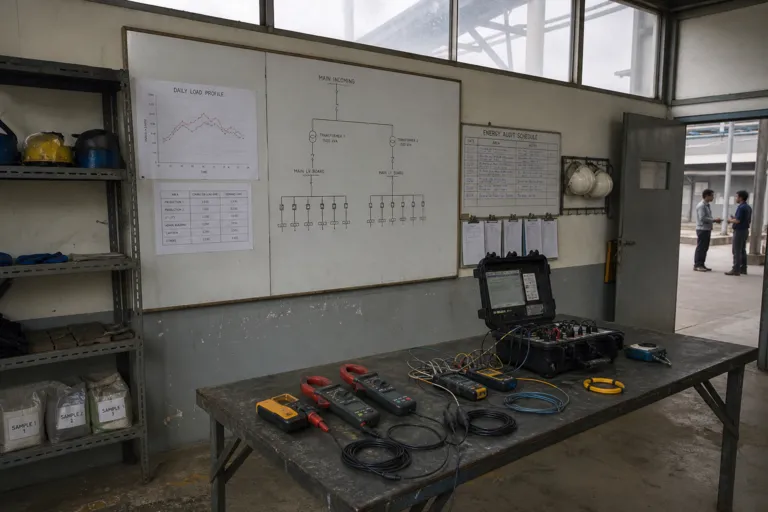
Myanmar’s 2026 industrial energy efficiency outlook has to be read through two lenses: constrained reliability today and a longer-run buildout agenda. Fitch Solutions expects Myanmar’s civil war to continue well into 2026, with little chance of a lasting peace deal in the near term, and warns that this bearish backdrop threatens energy security, with widespread shortages of refined fuels expected to continue in the near term. These conditions shape how factories plan uptime, how projects are financed, and how payback expectations are set. In this context, Myanmar energy efficiency consulting becomes less about “nice to have” upgrades and more about stabilizing production through pragmatic measures that can still be executed under tight timelines and financing pressure.
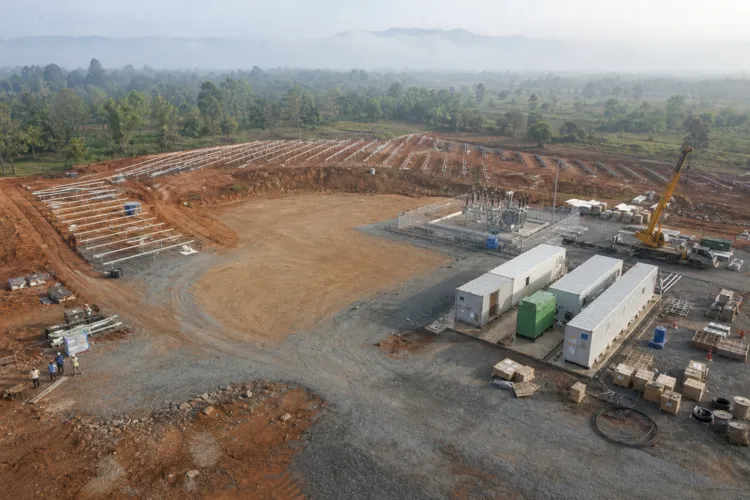
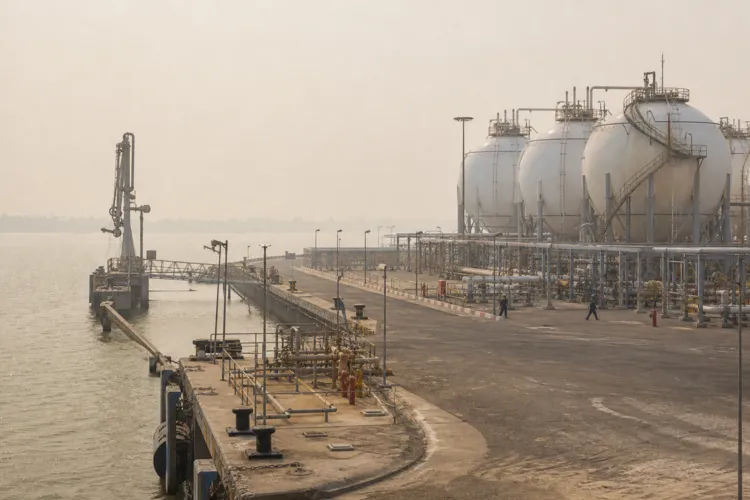
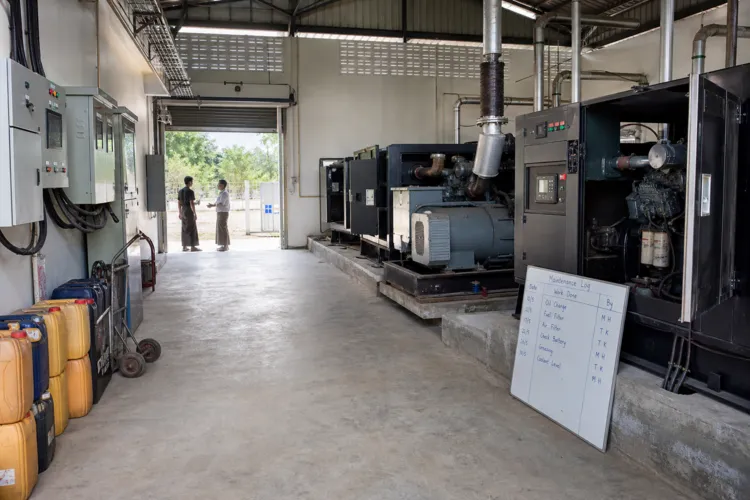
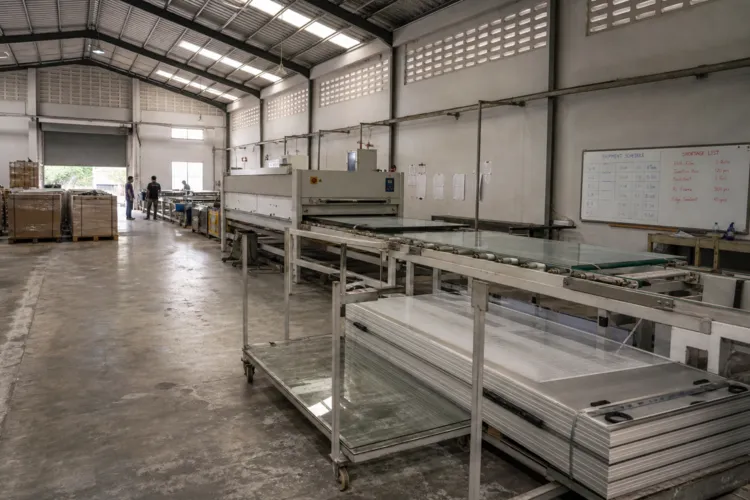
Industrial demand signals are visible in how power projects are being scoped and contracted. A 2026 power-sector outlook frames “market size and outlook” via the power generation EPC segment, covering engineering, procurement, and construction for generation facilities that typically use turbine-generator sets rated from 10 MW to over 500 MW, alongside civil works and grid interconnection switchyards. The same outlook links demand growth to industrial electrification needs, pointing to manufacturing clusters in Yangon and Mandalay that drive demand for captive power solutions while grid reliability remains inconsistent. It also notes that textile and food processing facilities are commissioning gas-fired and solar hybrid systems for continuity, reinforcing why efficiency and on-site optimization are increasingly paired with self-supply.
What 2026 Means for ESCO Delivery: From Power Security to Measurable Savings
For an ESCO-style market in 2026, the opportunity is tied to the same forces that delay big projects. The power outlook flags feed-in tariff recalibration and sovereign financing constraints that compress contractor margins while extending timelines, plus currency volatility for dollar-denominated equipment imports. Approval pathways also influence delivery speed, as Myanmar’s Ministry of Electricity and Energy and the national environmental regulator affect timelines, and hydropower contracts face intensified environmental impact assessment requirements. Against that backdrop, industrial energy efficiency work can be structured as smaller, staged scopes that support captive power operations, improve continuity, and reduce exposure to fuel supply stress, even when large-scale generation timelines stretch.
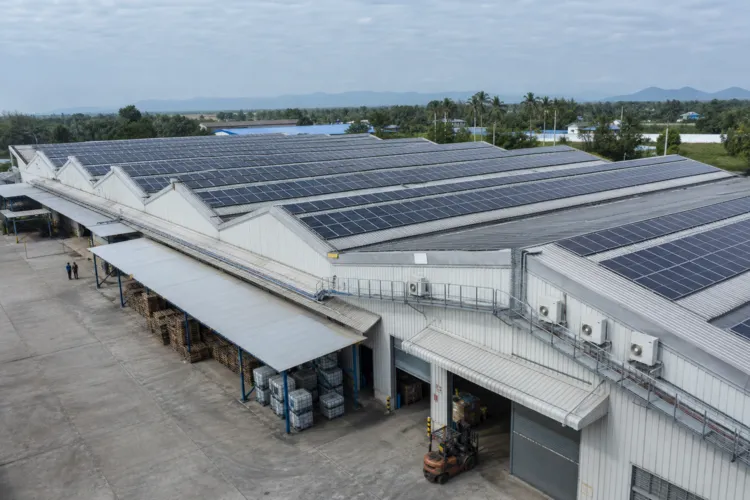
Solar’s expansion is another practical tailwind for efficiency-led models because it is moving beyond utility projects into households and industry. A Myanmar solar manufacturing market insights report says the solar industry has experienced significant expansion and adds that, by some estimates, the off-grid solar business sector for private residences and industry has grown tenfold over a nine-month period. The same source ties this to frequent power outages and rising diesel costs. For industrial sites, this creates a natural pairing: efficiency measures that reduce load first, followed by right-sized solar or hybrid systems that target continuity. It also reinforces why consulting and ESCO execution need to account for operations, not just equipment.
Looking past 2026, national targets provide a clearer direction of travel, even if near-term execution remains uneven. Myanmar’s National Electrification Master Plan targets an increase in national electricity generation capacity from approximately 6,000 MW in 2024 to 12,000 MW by 2030. The government has also committed to phasing out coal completely by 2050 and is preparing a new 20-year energy development plan for 2026–45 to further expand clean energy. In parallel, Myanmar’s construction industry is projected to decline marginally by 0.6% in real terms in 2026, but is expected to grow by 4.4% in real terms during 2027 to 2030, supported by investments in manufacturing, transport, and renewable energy. For ESCOs, that mix points to a pipeline where industrial upgrades and electrification-linked retrofits become more feasible as investment conditions stabilize.
What is shaping Myanmar’s industrial energy efficiency priorities in 2026?
How do EPC project characteristics relate to ESCO opportunities?
Where is industrial demand showing up most clearly?
What is the evidence that solar is accelerating beyond utility projects?
What should buyers expect from Myanmar energy efficiency consulting as electrification targets advance?