Myanmar’s two-wheeler landscape enters 2026 after a period of recovery signals. IndexBox reports that in 2025 the country’s motorcycle and scooter market increased by X% to $X, rising for the second year in a row after five years of decline. The same source notes that consumption peaked at $X in 2017, and from 2018 to 2025 it stayed at a lower level. In parallel, MotorCyclesData describes Myanmar as “fast growing (+78.6%) after collapsing in the previous years,” positioning the country’s rebound within a wider ASEAN upswing rather than as an isolated story.
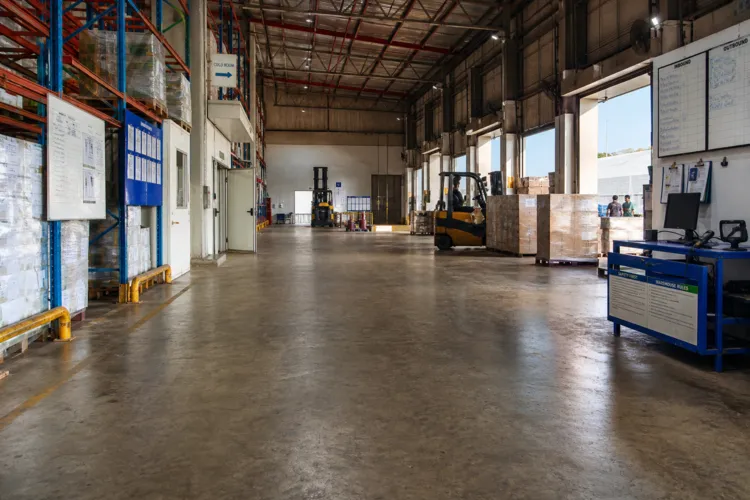
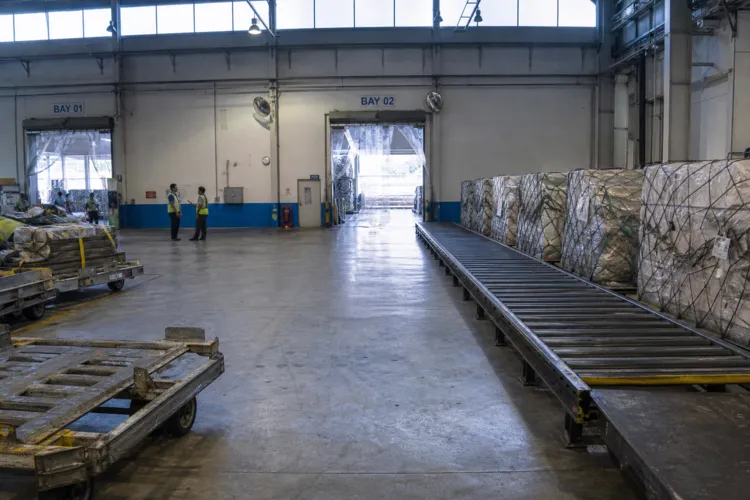
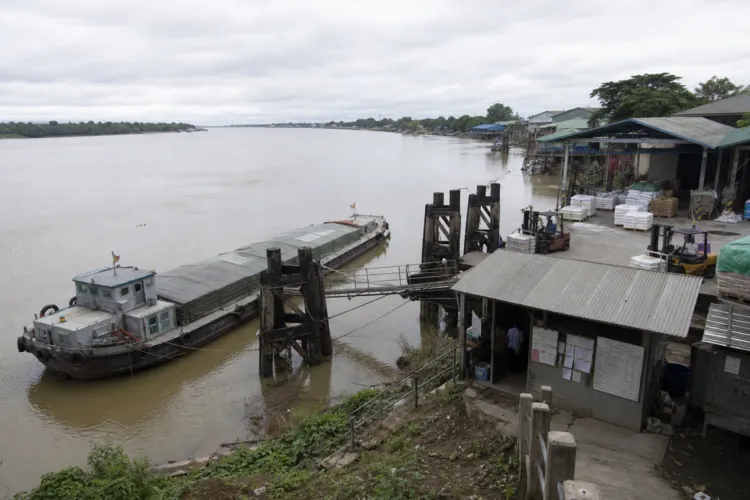
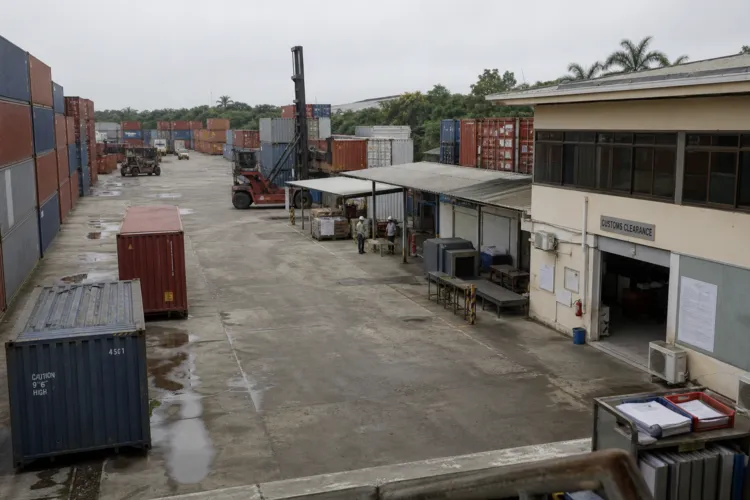
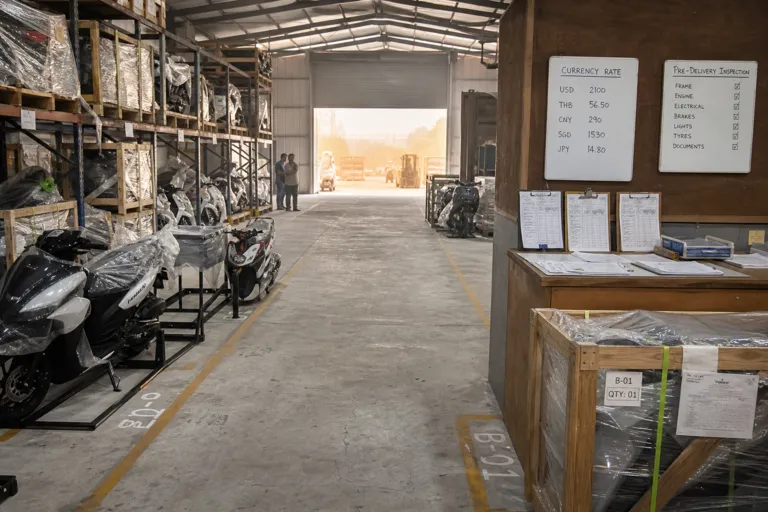
Supply conditions are a central variable for the 2026 outlook because the market is structurally import-dependent. An IndexBox report on motorcycles and bicycles states that roughly 80–90% of finished motorcycles, and a significant share of bicycles, are sourced from Thailand, China, India, and Japan. That reliance makes border logistics and trade policy decisive for availability and pricing, while currency instability and import licensing friction can raise landed costs unpredictably. For consumers and dealers, the outlook is therefore as much about financing terms, credit availability, and delivery reliability as it is about headline demand.
What 2026 Demand May Look Like: Mix Shift, EV Niche, and Dealer Competition
Demand composition is expected to remain motorcycle-led, with IndexBox estimating motorcycles represent 85–92% of two-wheeler demand in Myanmar, while bicycles hold an 8–15% share tied to low-income urban and peri-urban commuting. The same report points to a modest shift toward mid-range motorcycles priced between USD 1,200 and USD 2,800, as urban buyers focus on fuel efficiency, durability, and service networks rather than the absolute cheapest option. Electric two-wheelers are still described as niche at an estimated 3–8% of new sales, concentrated in Yangon and Mandalay where charging access and fuel-cost sensitivity are highest.
Trade flows add another layer to the outlook. IndexBox reports that in 2025 Myanmar recorded growth in export shipments of motorcycles and scooters for the third year in a row, increasing by X% to X units, even though exports show a pronounced decrease over the broader period. In value terms, exports shrank modestly to $X in 2025, and the peak export value was $X in 2012. Paraguay is listed as the main destination by volume (X units) with an approximately X% share, and the average export price in 2023 was $X thousand per unit, up by X% year over year.
Imports are equally important for local availability. IndexBox reports that in 2025 purchases abroad of motorcycles and scooters increased by X% to X units, rising for the second year in a row after five years of decline. It also notes imports peaked at X units in 2017 and did not regain that momentum from 2018 to 2025, even as imports “enjoyed a strong expansion” over the period. For wider context, MotorCyclesData says total ASEAN 2-wheeler sales registered in the first half of 2026 exceeded 7.8 million units with a 5.2% increase, while the region’s 2019 peak exceeded 16 million units.
What is the outlook for the Myanmar motorcycle market in 2026?
How import-dependent is Myanmar’s two-wheeler supply chain?
Are electric two-wheelers expected to be mainstream in Myanmar in 2026?
What price band is seeing demand shift in Myanmar’s motorcycle purchases?
What do the latest trade indicators say about Myanmar’s motorcycle imports and exports?